The journal · 7 October 2026
Serviced apartment or hotel: which suits a long stay in London
What changes once a London stay runs past a few weeks, how a serviced residence compares with a hotel and with a tenancy, and what to ask before you reserve.
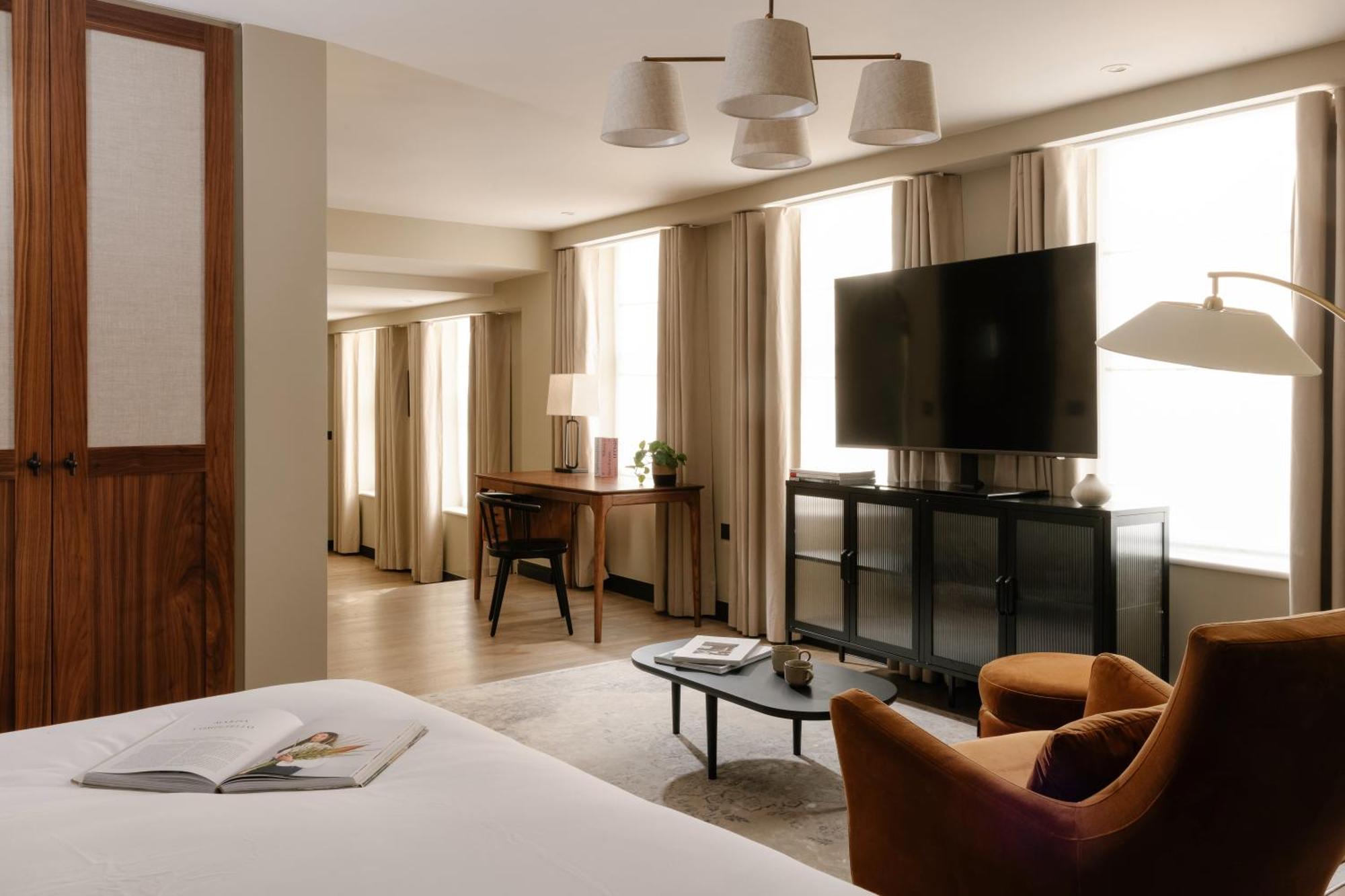
A London stay becomes very different once it extends beyond a few weeks. A hotel room can begin to feel limiting, while a conventional rental often asks for more administration, commitment and local paperwork than an international move or demanding project allows. Long-stay serviced flats in London provide a more considered middle ground: a private residence with the space to live properly, supported by the practical ease of a professionally managed stay.
For stays of one month or longer, the value is not simply having more square footage. It is knowing what is included, arriving to a home that is ready from day one, and having a responsive person to call when a practical detail needs attention. For executives, families and relocating professionals, that certainty can be worth far more than shaving a little from a nightly rate.
Why extended stays need a different kind of home
A short hotel stay is designed around coming and going. For a longer period, daily life takes over. You may need room for a visiting colleague, a proper kitchen between meetings, a separate bedroom when working across time zones, or enough storage to unpack rather than live from a suitcase.
A serviced residence answers those needs without becoming a tenancy. It gives you a furnished home, generally with a living area, kitchen and laundry facilities, alongside the service structure that makes a move manageable. Housekeeping, reception and leisure amenities may be available depending on the building, but the central benefit is more fundamental: a residence that supports a normal routine in one of the world’s busiest cities.
This model is particularly well suited to a project assignment, relocation, home renovation, medical treatment, diplomatic posting or an extended family visit. The reason for staying may differ, but the requirement is usually the same, comfort, privacy and a clear arrangement that can adapt if plans change.
What long-stay serviced flats in London include
The most useful distinction is not between a flat and a hotel. It is between an itemised arrangement and one that is organised around you, quietly.
With a quality long-stay serviced flat, the quoted rate should normally bring together accommodation, furnishings, utilities, Wi-Fi, linen and essential household items. Ongoing guest support is part of the arrangement too. Rather than opening separate accounts, dealing with bills or sourcing furniture, you arrive to a functioning home and one clear cost.
That does not mean every building offers exactly the same facilities. A period residence in Mayfair may prioritise discretion and character, while a contemporary development in Westminster or Holborn may have a 24-hour reception, gym, pool or dedicated communal spaces. It is worth asking which amenities are included and which are building-specific before choosing. A pool may matter to one guest; natural light, a quiet bedroom or a reliable lift may matter more to another.
The finer details shape the experience. Is the kitchen genuinely equipped for regular cooking? Is there a desk that works for a full working day? How often is housekeeping provided? Can the layout accommodate children, guests or a live-in member of staff? These are not minor questions when the stay runs to several months.
A residence, not a tenancy
Traditional London lettings can be right for someone settling permanently and happy to take on the responsibilities of a home. They are less attractive when a stay has a defined but movable end date. Deposits, references, credit checks, guarantors, utility accounts and lengthy agreements can turn a straightforward move into a substantial administrative task.
Serviced accommodation is designed to remove much of that friction. There is no need to furnish a flat, arrange broadband or commit automatically to a twelve-month contract. Extensions can often be discussed as requirements develop, which is valuable when a project is delayed, a purchase completion moves, or a family needs more time before deciding where to live permanently.
Flexibility does not mean vagueness. Before confirming, clarify the minimum stay, payment schedule, cancellation terms, notice needed for an extension and any additional charges that may apply. A reputable provider will set these out plainly. The best arrangement is not merely flexible on paper; it is managed by people who can respond promptly when the dates change.
The trade-off against a hotel
Hotels deliver familiarity, daily service and immediate access to facilities. For a stay of several nights, those advantages often outweigh the lack of personal space. Over several months, however, even an excellent suite can feel like a place to visit rather than a place to inhabit.
A serviced flat gives you the ability to close the door on the city, cook when you prefer, host a quiet supper and separate work from rest. It can also offer better value over time because the accommodation, utilities and core services sit within an all-inclusive arrangement rather than accumulating through daily hotel pricing and incidental spending.
There are trade-offs. A serviced residence may not offer a restaurant downstairs, daily housekeeping or a concierge desk in every building. If round-the-clock room service is central to your stay, a hotel may still be the better choice. If privacy, a proper kitchen and the rhythm of a real home matter more, a flat is usually the stronger fit.
Choosing the right London neighbourhood
Location is not a finishing touch. It dictates how the stay feels every morning and evening, as well as how easily you can reach work, schools, friends and airports.
Mayfair suits guests who want a refined central address close to the capital’s most established restaurants, galleries and private members’ clubs. It is particularly appealing for those who value a discreet, residential feel while remaining close to Green Park, Hyde Park and the West End.
Marylebone has a village-like character with excellent connections and a more relaxed daily rhythm. Its independent cafés, food shops and proximity to Regent’s Park make it a natural choice for families and professionals who want central London without the intensity of a major commercial district.
Holborn is practical for legal, financial and creative professionals working between the City and the West End. Westminster offers immediate access to government, Victoria and some of London’s most recognisable landmarks, while still containing quieter residential pockets. The right choice depends on more than a postcode. A consultant who knows the buildings can explain the walk to the station, the outlook from a particular floor and how the street feels after dark.
What to ask before you reserve
Photographs matter, but they rarely answer the questions that determine whether a residence will work for an extended stay. Ask about the exact flat rather than relying solely on a sample image. Confirm the bedroom configuration, floor level, lift access, air conditioning where needed, workspace, storage and the standard of Wi-Fi.
For families, the practicalities become more specific: cot availability, bed sizes, bath versus shower, proximity to parks and whether the building feels welcoming after a long day out. For corporate guests, ask about invoicing, payment options, privacy and whether the residence can accommodate visits without compromising quiet working time.
It is also sensible to establish who will support you after arrival. A booking platform can show availability, but it cannot always tell you whether the second bedroom has useful wardrobe space or whether the living room receives afternoon sun. Personal knowledge is the difference between choosing a property that looks suitable and arriving somewhere that genuinely suits your life.
A more personal way to arrange a long stay
For premium stays, the search should not begin and end with a filter menu. It should begin with how you need to live: your dates, daily routine, preferred neighbourhood, family requirements and non-negotiables. From there, a carefully selected set of residences is more useful than dozens of generic options.
Stay Luxe arranges long stay serviced apartments in London as a curated service, matching guests with personally vetted London residences and managing the practical details with each property. That gives guests a more informed choice before arrival and a clear point of contact throughout the stay.
The most reassuring long-stay arrangement is one that leaves you free to focus on the reason you came to London. Choose a residence with enough room for real life, terms that respect changing plans and support that remains present without ever being intrusive.